By: Sam Robinson
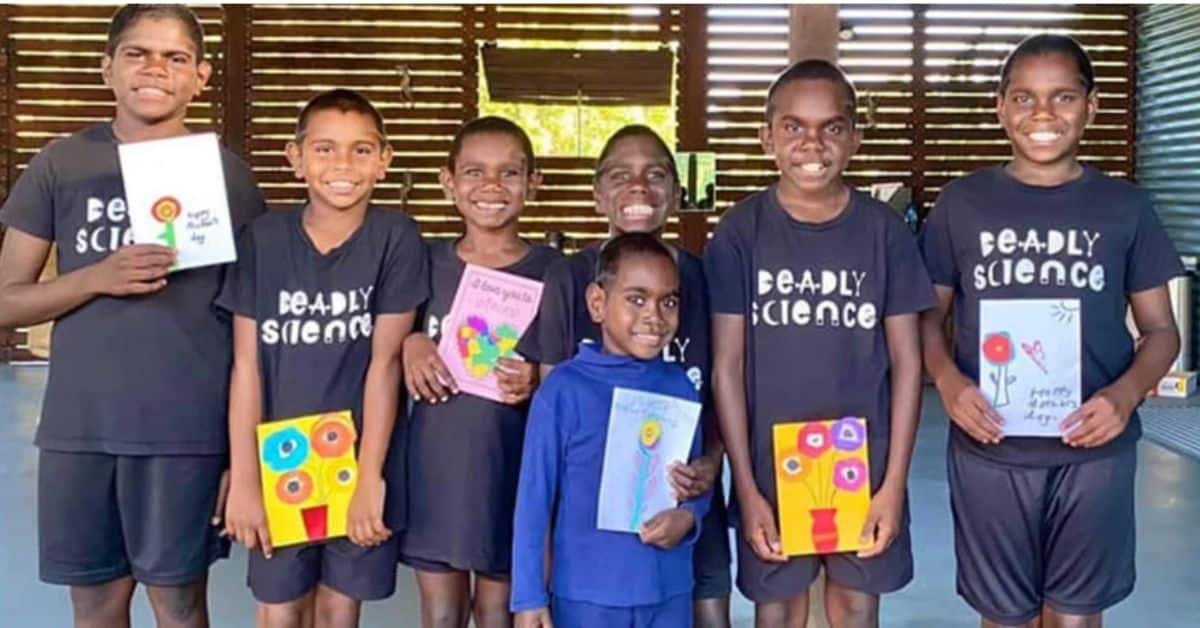
Deadly Science is getting science textbooks and equipment into the hands of kids in Indigenous communities.
By: Sam Robinson
Deadly Science is getting science textbooks and equipment into the hands of kids in Indigenous communities.
By: City Bible Forum
Infectious disease is the topic of conversation at the moment. We explore the challenges and risks of infectious disease, vaccines and a hope for the future. A timely conversation to mark the three year anniversary of Bigger Questions
By: Anne Rinaudo
Dr Denis Alexander from Cambridge University, is a neuroscientist who believes passionately in both the biblical doctrine of creation and the coherence of evolutionary theory. He was recently in Australia to deliver the 2018 New College Lectures, “Genetics: God and the Future of Humanity”. This year marks the 25th year of the New College Lectures.
By: Anne Rinaudo
If science allows for the possibility that we can do something – should we? On ‘Open House’ Margo Somerville, Professor of Bioethics at The University of Notre Dame Australia, discusses with Stephen O’Doherty some of the questions that arise if Australia lifts a ban on creating ‘three person’ IVF babies.
If you ask a group of scientists whether they believe in God, you’ll find that some do and some don’t.
The popular idea that if you’re a scientist then you must by definition be an atheist, is wrong. Science doesn’t necessarily lead to atheism.